Abstract
The introduction of GLP-1 analogs in the Indian market holds great potential for diabetes and obesity management, yet their widespread adoption is hindered by several challenges. These include limited long-term data on cardiovascular and renal safety, high costs, lack of outpatient insurance coverage for major drugs, side effects, drug availability issues, and healthcare professionals' (HCPs) reluctance to prescribe them. In a country where many patients pay out-of-pocket and financial planning for healthcare is inadequate, these barriers are further amplified.
This study, involving a survey of 250 patients, explores the multifaceted landscape of GLP-1 analogs' acceptance in India. It examines dimensions such as financing schemes, market access strategies, internet trading, and the impact of biosimilars on pricing. By addressing gaps in discussions around discounts, rebates, profits, and price transparency, the research aims to identify key factors that could facilitate the early adoption of GLP-1 analogs in the Indian market.
The study advocates for a comprehensive strategy encompassing insurance coverage, patient-centric programs, effective branding, improved drug availability, increased public awareness, and the dissemination of long-term cardiovascular and renal safety data to HCPs. This holistic approach aims to enhance the accessibility of anti-diabetic and anti-obesity products in India, ultimately benefiting a large segment of the population struggling with these conditions. By fostering a deeper understanding and acceptance of GLP-1 among HCPs and patients, the study seeks to pave the way for the successful integration of these innovative therapies into the Indian healthcare system.
Keywords: GLP-1 Analogs; Diabetes; Obesity; Market Access; Insurance Coverage; Healthcare Professionals; Drug Availability
1. Introduction
Diabetes mellitus (DM) is a complex and progressive condition that significantly increases patients' susceptibility to various health complications (Goyal, R., Singhal, M., & Jialal, I. (2023). Recent estimates indicate that approximately 8.3% of adults globally are affected by diabetes. In India, the prevalence is notably higher at 9.09%, impacting around 65 million individuals. A comprehensive study involving over 20,000 Indian subjects with type 2 DM highlighted a high incidence of both macrovascular and microvascular complications, primarily due to inadequate glycemic control. Mathur, P., Leburu, S., & Kulothungan, V. (2022). ) This underlines the critical need for effective management strategies to mitigate the risk of diabetes-related complications.
The management of type 2 diabetes is continuously evolving, with an expanding array of pharmacological options. GLP-1 analogs have emerged as particularly promising treatments. (Mariam, Z., & Niazi, S. K. (2024).). These medications address various challenges associated with diabetes by inducing glucose-dependent insulin release, inhibiting glucagon release, delaying gastric emptying, and enhancing satiety. These mechanisms make GLP-1 analogs a comprehensive and appealing option for diabetes management, offering benefits beyond traditional therapies.
Globally, some of the most recognized weight loss medications include Novo Nordisk's Wegovy/Ozempic and Saxenda, as well as Eli Lilly's Mounjaro. However, in India, the range of available weight loss medications is more limited. Commonly used medications include orlistat, metformin, and liraglutide. (Beshir, S. A., Elnour, A. A., Soorya, A., Mohamed, A. P., Goh, S. S. L., Hussain, N., ... & Abdelnassir, Z. (2023). Despite the proven benefits of GLP-1 analogs, their acceptance in the Indian market faces significant challenges. These challenges primarily stem from concerns related to the high cost of these medications and the risk of hypoglycemia, which can deter widespread adoption.(Collins, L., & Costello, R. A. (2019). Glucagon-like peptide-1 receptor agonists.)
Understanding the complexities and evolving landscape of diabetes management is crucial for developing effective strategies to combat this prevalent condition and improve patient outcomes. (Sugandh, F. N. U., Chandio, M., Raveena, F. N. U., Kumar, L., Karishma, F. N. U., Khuwaja, S., ... & Kumar, S. (2023).)
2. Review
2.1. Introduction
The global pharmaceutical industry is a key driver of economic development, characterized by its dynamic and complex nature. Pricing strategies in this sector are influenced by several critical factors:
- Research and Development: Significant investments in R&D are necessary to develop new drugs, leading to high costs. These expenses are often recouped during the patent period when companies can charge premium prices. (Wouters, O. J., Berenbrok, L. A., He, M., Li, Y., & Hernandez, I. (2022).)
- Patient-First Model: Prioritizing patient welfare requires substantial investments in high-quality medications and awareness initiatives, which contribute to higher drug prices. (Kruk, Margaret E., et al)
- Biosimilars: The rapid introduction of biosimilars—generic versions of biologic drugs—intensifies market competition, challenging existing pricing strategies. (MarketsandMarkets. (2024))
- Market Payment Models: In India, limited insurance coverage means many patients pay out-of-pocket for medications, driving demand for lower-cost alternatives. (Gambhir, R. S., Malhi, R., Khosla, S., Singh, R., Bhardwaj, A., & Kumar, M. (2019).)
- Innovative Technology: New and unique technologies in drug formulations result in higher production costs, reflected in the pricing of these medications. (Lee, K. S., Kassab, Y. W., Taha, N. A., & Zainal, Z. A. (2020).)
- Disease Focus: Drugs targeting rare diseases often face higher cost barriers due to smaller patient populations, while those for common diseases can be priced more competitively due to higher demand. (Eichler, H. G., Kossmeier, M., Zeitlinger, M., & Schwarzer-Daum, B. (2023))
These factors collectively shape the pricing strategies of pharmaceutical companies operating in India.
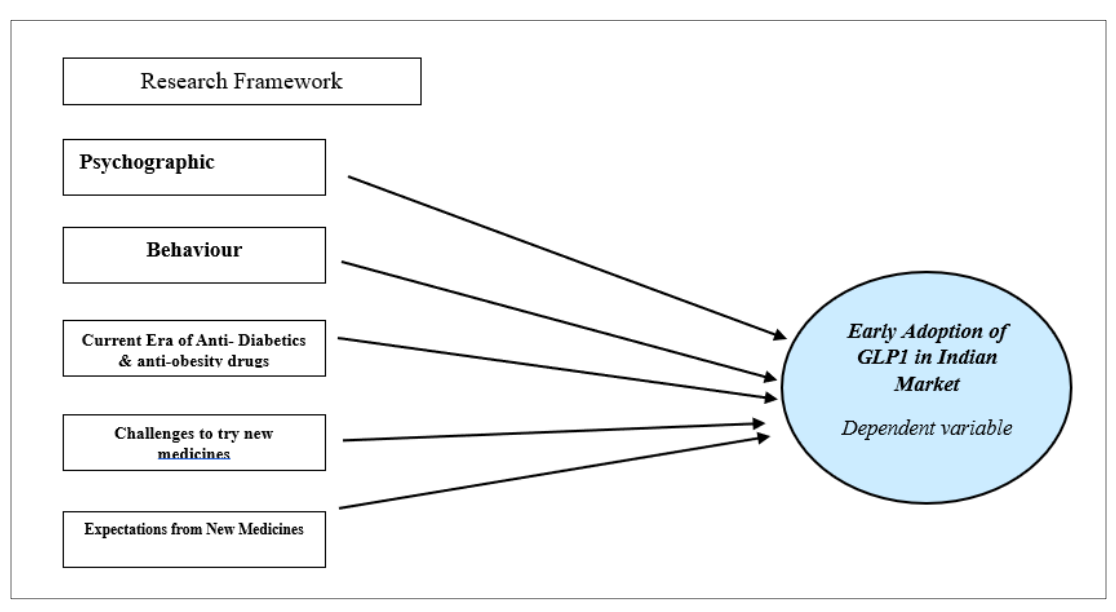
This study aims to identify key obstacles hindering the adoption of GLP-1 antagonists for managing diabetes and obesity in India and propose strategies to overcome these challenges. Despite their potential, GLP-1 analogs face limited uptake due to high costs, lack of long-term cardiovascular and renal safety data, insufficient outpatient insurance coverage, side effects, limited drug availability, and healthcare professionals' reluctance to prescribe them. These challenges are compounded in a market where many patients lack adequate financial planning for healthcare expenses.
2.1.1. Psychographic Factors
Type 2 diabetes mellitus (T2DM) and cardiovascular disease (CVD) are prevalent worldwide, affecting millions across all age groups. T2DM, in particular, has a high global prevalence and is projected to increase significantly, posing a substantial economic burden. (Patel, R., & Keyes, D. (2022). ) The costs associated with T2DM include direct healthcare expenditures and indirect costs such as lost productivity and long-term disability. Effective prevention and management strategies are critical to mitigating the growing impact of this disease.
2.1.2. Lifestyle
Diet and physical activity are critical components in managing T2DM and CVD. Research shows that dietary interventions are more effective when combined with educational components. Various dietary approaches—high protein intake, very low-calorie diets, low-calorie diets, and specific macronutrient distributions (reduced fat and carbohydrates, ketogenic diets)—have proven effective for weight loss. (Evidence-based European recommendations for the dietary management of diabetes." Diabetologia 66, no. 6 (2023)
Physical activity is equally important in managing and preventing T2DM and CVD. While physical activity alone is beneficial, integrating it within a broader lifestyle intervention that includes dietary changes, behavioral modifications, and educational support leads to more significant and sustained health improvements. (Syeda, U. A., Battillo, D., Visaria, A., & Malin, S. K. (2023). The importance of exercise for glycemic control in type 2 diabetes. American Journal of Medicine Open, 9, 100031.) Effective weight loss and health management strategies should combine tailored dietary plans with comprehensive lifestyle interventions, focusing on specific nutritional guidelines, exercise routines, and educational programs to promote healthy eating and regular physical activity.
2.1.3. Urbanization
Diabetes prevalence is rising in India, with higher rates observed in urban areas compared to rural regions. Various cross-sectional surveys have documented this trend, indicating a growing diabetes epidemic in India.( Kalra, S., Anjana, R. M., Verma, M., Pradeepa, R., Sharma, N., Deepa, M., ... & Mohan, V. (2024).) Early studies reported lower prevalence rates, but more recent surveys show a significant increase, highlighting the need for preventive measures and early intervention.
2.1.4. Diabetes & Obesity Ratio in Males & Females
Gender differences in the prevalence of diabetes are influenced by socio-economic, dietary, and biological factors. (Ciarambino, T., Crispino, P., Leto, G., Mastrolorenzo, E., Para, O., & Giordano, M. (2022). Studies indicate that men generally have a higher prevalence of diabetes than women, though specific subgroups of women exhibit higher rates. These differences underscore the importance of tailored prevention and management strategies that consider gender-specific factors.
2.1.5. Monitoring of Weight & Sugar Levels
Regular monitoring of BMI, weight, and blood sugar levels is essential for effective diabetes management. Tracking these metrics helps assess treatment effectiveness, prevent complications, and personalize treatment plans. An integrated approach that combines these monitoring practices provides a comprehensive view of a patient's health status, enabling early detection of potential issues and improving patient outcomes.( Silva, B. M., Rodrigues, J. J., de la Torre Díez, I., López-Coronado, M., & Saleem, K. (2015))
2.2. Behavior
2.2.1. Daily Physical Activity
Regular physical activity plays a crucial role in controlling both obesity and diabetes. It improves insulin sensitivity, aids in weight loss, and enhances cardiovascular health. Physical activity regulates appetite by influencing hormones that control hunger and satiety, helping to prevent overeating. ( Chen, Y. K., Liu, T. T., Teia, F. K. F., & Xie, M. Z. (2023)) It is recommended that individuals engage in at least 150 minutes of aerobic exercise per week, supplemented by strength training exercises and activities that promote flexibility and balance.
2.2.2. Social Media
Social media can spread a mix of accurate and misleading health information, leading to poor health decisions. (Rodrigues, F., Newell, R., Babu, G. R., Chatterjee, T., Sandhu, N. K., & Gupta, L. (2024)) For individuals managing conditions like diabetes, misinformation can be particularly harmful. To mitigate these risks, it is essential to verify health information from reputable sources and consult healthcare professionals.
2.2.3. Visiting Different Healthcare Providers
Visiting multiple healthcare providers without proper coordination can hinder effective diabetes and obesity management. Inconsistent advice, medication errors, and lack of continuity in care can result from fragmented healthcare. (Rodrigues, F., Newell, R., Babu, G. R., Chatterjee, T., Sandhu, N. K., & Gupta, L. (2024).) Coordinated care among general practitioners, endocrinologists, diabetologists, and obesity specialists is crucial for effective management.
2.3. Compliance in Terms of Antidiabetes Medicines & Anti-Obesity Treatments
2.3.1. Importance of Compliance
Adherence to medical treatments is vital for managing chronic conditions such as diabetes and obesity. Non-compliance can lead to uncontrolled blood sugar levels, weight gain, and severe complications. (Georgieva, N., Tenev, V., Kamusheva, M., & Petrova, G. (2023))
2.3.2. Antidiabetes Medicines
Antidiabetes medications help manage blood sugar levels through various mechanisms. Non-compliance can result in hyperglycemia and related complications, underscoring the importance of adhering to prescribed regimens. (Araya, E. M., Gebrezgabiher, H. A., Tekulu, G. H., Alema, N. M., Getnet, D., Gebru, H. T., & Adamu, B. A. (2020).
2.3.3. Anti-Obesity Treatments
Anti-obesity treatments, including medications, lifestyle modifications, and surgical interventions, aim to reduce body weight and improve metabolic health. Non-compliance can lead to weight gain and worsen insulin resistance, highlighting the necessity of regular adherence to treatments and lifestyle changes for effective management. (Doan, S. N., Patel, S. K., Xie, B., Nelson, R. A., & Yee, L. D. (2023).)
3. Research Objectives, Questions, and Hypotheses
- Objective: Identify key constraints to GLP-1 receptor agonist acceptance in India.
- Question: What are the key constraints to GLP-1 receptor agonist acceptance in India?
- Hypotheses:
- H1: Lifestyle factors significantly influence acceptance and efficacy.
- H2: Urbanization contributes to higher type 2 diabetes rates, affecting acceptance.
- H3: Gender differences impact risk factors and acceptance at diagnosis.
- Objective: Devise strategies to overcome constraints in GLP-1 receptor agonist acceptance.
- Question: What strategies can effectively overcome acceptance constraints?
- Hypotheses:
- H4: Regular weight and BMI monitoring improves compliance and adoption.
- H5: Daily physical activity and social media education enhance management, increasing acceptance.
- H6: Patient compliance with treatment, diet, and appointments is crucial for success.
- Objective: Assess the impact of lifestyle, urbanization, and gender on GLP-1 acceptance.
- Question: How do lifestyle, urbanization, and gender affect GLP-1 acceptance and efficacy?
- Hypotheses:
- H1: Lifestyle factors significantly influence acceptance and efficacy.
- H2: Urbanization contributes to higher type 2 diabetes rates, affecting acceptance.
- H3: Gender differences impact risk factors and acceptance at diagnosis.
- Objective: Evaluate the role of compliance, monitoring, and behavior in GLP-1 adoption.
- Question: What impact do compliance, monitoring, and behavior have on GLP-1 adoption?
- Hypotheses:
- H4: Regular weight and BMI monitoring improves compliance and adoption.
- H5: Daily physical activity and social media education enhance management, increasing acceptance.
- H6: Patient compliance with treatment, diet, and appointments is crucial for success.
- Objective: Explore the influence of comorbid conditions, cost, and side effects on GLP-1 usage.
- Question: How do comorbid conditions, cost, and side effects affect GLP-1 usage?
- Hypotheses:
- H7: High cost limits accessibility and acceptance.
- H8: Early intensive therapy and comorbidity management improve efficacy and acceptance.
- Objective: Identify patient and healthcare provider expectations from new GLP-1 medications.
- Question: What are the expectations regarding discount schemes, patient-centric programs, and insurance?
- Hypotheses:
- H9: Discount schemes, patient-centric programs, and insurance enhance acceptance.
- H10: Effective branding and payer strategies lead to early adoption in India.
4. Research Methodology
4.1. Study Design
This study employed a cross-sectional survey design to identify the key constraints in the acceptance of GLP-1 receptor agonists in the management of diabetes and obesity in India. Additionally, it aimed to devise strategies to overcome these constraints and assess the impact of various factors on the acceptance and efficacy of GLP-1 receptor agonists.
4.2. Participants
The study included 250 patients diagnosed with diabetes and/or obesity from diverse regions across India. The sample was selected to ensure a representative distribution of age, gender, location, and socioeconomic status.
4.3. Data Collection Tool
A comprehensive questionnaire was developed to collect data from participants. The questionnaire comprised multiple sections including demographic questions, psychographic questions, behavior-related questions, challenges and pain points, consultations, health-related questions, and questions on expectations from new medicines. The questions were both closed-ended and open-ended to capture quantitative and qualitative data.
4.4. Data Collection Procedure
The questionnaire was administered both electronically and in person. The electronic survey was conducted via an online survey platform, and in-person surveys were conducted by trained field workers. Participants were briefed about the study's purpose, and informed consent was obtained prior to their participation. The data collection period spanned three months.
4.5. Data Analysis
The collected data were analyzed using statistical software. Descriptive statistics summarized the demographic characteristics and survey responses. Inferential statistics, including chi-square tests and logistic regression, were used to identify significant factors affecting the acceptance of GLP-1 receptor agonists. Qualitative data from open-ended questions were analyzed using thematic analysis to identify common themes and insights.
4.6. Ethical Considerations
The study was approved by the relevant institutional review board. Participants' confidentiality and anonymity were assured, and informed consent was obtained from all participants. Participants had the option to withdraw from the study at any time without any repercussions.
Limitations
The study acknowledged potential biases in self-reported data and the limited generalizability due to the specific sample population. The cross-sectional design also limited the assessment of changes over time.
By following this research methodology, the study aimed to provide a detailed understanding of the barriers to GLP-1 receptor agonist acceptance in India and develop effective strategies to improve their adoption and efficacy in managing diabetes and obesity.
5. Questionnaire
5.1. Demographic Questions
- Tick your age category:
- Below 18 years
- 19-30 years
- 31-40 years
- 41-50 years
- Above 50 years
- Tick your gender:
- Male
- Female
- Prefer not to say
- Tick your education level:
- Graduate
- Postgraduate
- Doctorate
- Lesser than the above category
- Tick your location:
- Rural
- Urban
- Semi-urban
- Which part of India are you residing in?
- North
- South
- East
- West
- Can you please specify your occupation by selecting one of the following options:
- Working with a private organization
- Working with a government organization
- Businessman/businesswoman
- Homemaker
- Student
5.2. Psychographic Questions
- Rate your lifestyle on a scale of 1 to 5, where 1 corresponds to a sedentary lifestyle and 5 denotes a highly active lifestyle:
- Sedentary
- Moderately active
- Active
- Very active
- Highly active
- How often do you check your blood glucose levels? (1 = Very rarely, 5 = Most often):
- Very rarely
- Rarely
- Neutral
- Often
- Most often
- Urbanization has resulted in increasing the risk of diabetes and obesity among young people. (1 = Strongly disagree, 5 = Strongly agree):
- Strongly disagree
- Disagree
- Neutral
- Agree
- Strongly agree
- Females are more prone to obesity and diabetes as compared to males. (1 = Strongly disagree, 5 = Strongly agree):
- Strongly disagree
- Disagree
- Neutral
- Agree
- Strongly agree
5.3. Behavior: Media Related
- Social media should play an active role in spreading awareness about diabetes and obesity. (1 = Strongly disagree, 5 = Strongly agree):
- Strongly disagree
- Disagree
- Neutral
- Agree
- Strongly agree
- On a daily basis, how would you rate your engagement in physical activities such as yoga, gym workouts, sports, swimming, walking, or jogging? (1 = Very rarely, 5 = Most often):
- Very rarely
- Rarely
- Neutral
- Often
- Most often
- Which social media platforms do you follow for getting information on diabetes and obesity?
- YouTube
- How frequently do you utilize social media platforms such as Facebook, Twitter, Instagram, and YouTube to acquire knowledge about diabetes and obesity? (1 = Very rarely, 5 = Most often):
- Very rarely
- Rarely
- Neutral
- Often
- Most often
- How much time do you spend on a regular basis on the above social media platforms? (Please specify in hours):
- Less than 1 hour
- 1-2 hours
- 2-3 hours
- 3-4 hours
- More than 4 hours
- What motivates you to see a doctor?
- Regular check-up
- When diabetes symptoms worsen
- Whenever there are free camps/check-ups
- Healthcare provider with good behavior
- Good control of your disease
5.4. Challenges and Pain Points
- What are the pain points/challenges before seeing a doctor? (1 = Not a challenge, 5 = Major challenge):
- Lack of awareness
- Casual attitude
- Fear of diagnosis
- Financial constraints
- Accessibility issues
- What are the pain points/challenges when you visit a doctor? (1 = Not a challenge, 5 = Major challenge):
- Long waiting times
- High consultation fees
- Lack of proper communication
- Limited time with the doctor
- Inadequate facilities
- What are the pain points/challenges after you visit a doctor? (1 = Not a challenge, 5 = Major challenge):
- Difficulty in following prescribed treatment
- High cost of medications
- Lack of follow-up
- Inconvenience in getting tests done
- Limited availability of medications
5.5. Consultations
- How would you rate the frequency of your diabetes consultations with the following specialties on a scale of 1 to 5:
- Diabetologist
- Endocrinologist
- Nutritionist
- Family Physician
- Homeopathic practitioner
5.6. Health-Related Questions
- How frequently do you monitor your weight? (1 = Very rarely, 5 = Most often):
- 1 Very rarely
- 2 Rarely
- 3 Neutral
- 4 Often
- 5 Most often
- What BMI category does your weight fall into? (1 = Underweight, 5 = Severely obese):
- 1 Underweight (<18)
- 2 Normal weight (18-24)
- 3 Overweight (25-29)
- 4 Obese (30-39)
- 5 Severely obese (40 and above)
5.7. Current Era of Anti-Diabetics & Anti-Obesity Drugs
- Doctors recommend lifestyle modification as a first-line therapy for the reduction of blood sugar levels. (1 = Strongly agree, 5 = Strongly disagree):
- Strongly agree
- Agree
- Neutral
- Disagree
- Strongly disagree
- In the current scenario, the management of diabetes and obesity is expensive. (1 = Strongly agree, 5 = Strongly disagree):
- Strongly agree
- Agree
- Neutral
- Disagree
- Strongly disagree
- Individuals with diabetes prioritize medications that offer additional benefits, such as mitigating the risk of heart failure, aiding in weight management, and enhancing liver and kidney function. (1 = Strongly agree, 5 = Strongly disagree):
- Strongly agree
- Agree
- Neutral
- Disagree
- Strongly disagree
- Oral preemptive anti-diabetes medications help in the reduction of HbA1c levels, reaching a target level of 6.5. (1 = Strongly disagree, 5 = Strongly agree):
- Strongly disagree
- Disagree
- Neutral
- Agree
- Strongly agree
5.8. Challenges in Trying New Medicines
- What challenges do you currently face with your anti-diabetic medications? (1 = Not a challenge, 5 = Major challenge):
- Inadequate control of blood sugar levels
- High medication costs
- Unavailability of the medicine
- Experiencing side effects
- Frequency of medication intake
5.9. Expectations from New Medicines
- Discounts on expensive antidiabetic drugs are always the first preference for patients. (1 = Strongly agree, 5 = Strongly disagree):
- Strongly agree
- Agree
- Neutral
- Disagree
- Strongly disagree
- A comprehensive patient-centric program provides benefits to diabetic patients. (1 = Strongly agree, 5 = Strongly disagree):
- Strongly agree
- Agree
- Neutral
- Disagree
- Strongly disagree
- Insurance coverage for expensive drugs increases the propensity to buy. (1 = Strongly agree, 5 = Strongly disagree):
- Strongly agree
- Agree
- Neutral
- Disagree
- Strongly disagree
- The Indian government should focus on improving affordability by expanding insurance policies for new expensive drugs. (1 = Strongly agree, 5 = Strongly disagree):
- Strongly agree
- Agree
- Neutral
- Disagree
- Strongly disagree
- Patients consider those antidiabetic drugs which will help in improving major vitals. (1 = Strongly agree, 5 = Strongly disagree):
- Strongly agree
- Agree
- Neutral
- Disagree
- Strongly disagree
- What factors do you consider important when you buy new medication? (Rate from 1 to 5, where 1 = Not important and 5 = Very important):
- Price
- Availability
- Safety and efficacy
- Quality
- Side effects
5.10. Overall Willingness to Buy New Medicine
- Rate your overall willingness to buy new medicine (1 = Not at all willing, 5 = Very willing):
- Not at all willing
- Slightly willing
- Neutral
- Willing
- Very willing
- When would you consider buying new medicine? (Select one):
- Immediately as it comes in the market
- After checking the reviews
- After some time seeing the results
- As a last resort
5.11. Lifestyle and Weight Management
- Rate your lifestyle on a scale of 1 to 5 (1 = Sedentary, 5 = Highly active):
- Sedentary
- Moderately active
- Active
- Very active
- Highly active
- How much do the following factors affect your weight management? (Rate from 1 to 5, where 1 = Not at all, 5 = Very much):
- Hormonal changes & Metabolism
- Body fat percentage
- Caloric intake
- Daily exercise
- Type of lifestyle
6. Results
6.1. Age Distribution
The survey results show that the majority of respondents are in the older age categories, with 60.8% being above 50 years old. This indicates a significant portion of the respondents are in an age group that typically faces higher risks for diabetes and other health issues. The next largest age group is 41-50 years old, comprising 21.6% of respondents. Smaller portions of the survey population fall into younger age categories: 8.8% are aged 31-40 years, 4% are aged 19-30 years, and 4.8% are below 18 years.
6.2. Gender Distribution
There is a nearly equal gender distribution among the respondents, with females slightly outnumbering males (50.8% to 49.2%). This balance ensures that the survey results reflect perspectives from both genders almost equally.
6.3. Employment Status
Most respondents (49.2%) work in private organizations, followed by those working in government organizations (26%). Entrepreneurs, homemakers, and students make up smaller portions of the respondent group. This suggests that a significant portion of the surveyed population is engaged in professional work environments.
6.4. Physical Activity Level
In terms of physical activity, 35.6% of respondents consider themselves moderately active, and 25.6% view themselves as active. A smaller portion of respondents rate themselves as very active (11.6%) or highly active (1.2%). However, a significant number view their lifestyle as sedentary (26%), indicating that more than a quarter of the respondents may not engage in regular physical activity.
6.5. Frequency of Blood Glucose Level Checks
The survey reveals that 49.6% of respondents rarely check their blood glucose levels, and 27.6% check them very rarely. Only a small portion checks their levels more frequently: 14.4% are neutral, 8% often, and 0.4% most often. This suggests a need for increased awareness and regular monitoring of blood glucose levels among the respondents.
6.6. Urbanization and Risk of Diabetes and Obesity
A significant majority of respondents agree (50.4%) or strongly agree (36%) that urbanization has increased the risk of diabetes and obesity among young people. Very few respondents disagreed (1.6%) or strongly disagreed (0.8%), while 11.2% remained neutral. This highlights the perceived impact of urban lifestyle changes on health.
6.7. Gender and Susceptibility to Obesity and Diabetes
Most respondents agree (38.4%) or strongly agree (28%) that females are more prone to obesity and diabetes compared to males. A smaller portion strongly disagreed (12%) or disagreed (7.6%), while 14% remained neutral. This perception may reflect societal views or observed trends in health.
6.8. Role of Social Media in Awareness
Regarding the role of social media, 34.4% of respondents agree and 22% strongly agree that it should play an active role in spreading awareness about diabetes and obesity. A smaller portion strongly disagreed (14%) or disagreed (11.2%), while 18.4% remained neutral. This indicates a general support for using social media as a tool for health education.
6.9. Engagement in Physical Activities
The survey shows that most respondents have a neutral engagement (35.6%) in physical activities on a daily basis. A significant portion rarely engages (23.2%) or very rarely engages (17.2%) in physical activities. Fewer respondents often (21.2%) or most often (2.8%) engage in physical activities daily. This suggests varying levels of physical activity among the respondents.
6.10. Use of Social Media for Knowledge
The majority of respondents often (30%) or most often (22.4%) use social media platforms to acquire knowledge about diabetes and obesity. A significant portion is neutral (22.8%) about their usage, while fewer respondents rarely (11.6%) or very rarely (13.2%) use social media for this purpose. This indicates that social media is a common source of information for many respondents.
6.11. Frequency of Diabetes Consultations
When asked about the frequency of diabetes consultations, the majority of respondents (55.6%) rate their consultations at level 2. A significant portion rate it at level 4 (19.2%) and level 1 (12.4%), while fewer respondents rate it at level 5 (8.8%) and level 3 (4%). This suggests a moderate level of engagement with healthcare providers regarding diabetes.
6.12. Frequency of Weight Monitoring
The majority of respondents rarely monitor their weight, with 56.4% selecting "rarely" and 21.2% selecting "very rarely." A smaller portion of respondents monitor their weight neutrally (14%), often (7.2%), or most often (1.2%). This indicates that many respondents may not be regularly tracking an important health metric.
6.13. Weight Category
The survey results show that the majority of respondents fall into the "Obese" category (42.8%). A significant portion is "Overweight" (27.6%) or "Severely obese" (17.2%), while fewer respondents are of "Normal weight" (12%) and very few are "Underweight" (0.4%). This highlights a high prevalence of obesity among the respondents.
6.14. Lifestyle Modification Recommendations
The majority of respondents strongly disagree (64%) with the statement that doctors recommend lifestyle modification as a first-line therapy for reducing blood sugar levels. A smaller portion of respondents disagree (9.2%), remain neutral (7.2%), agree (11.2%), or strongly agree (8.4%) with the statement. This suggests a perceived gap in lifestyle-based recommendations from healthcare providers.
6.15. Cost of Managing Diabetes and Obesity
The majority of respondents strongly agree (70%) that managing diabetes and obesity is expensive in the current scenario. A smaller portion agree (6.8%), remain neutral (13.6%), disagree (5.2%), or strongly disagree (4.4%) with the statement. This indicates a significant concern about the financial burden of these conditions.
6.16. Priority for Medications with Additional Benefits
Most respondents agree (56%) or strongly agree (29.2%) that individuals with diabetes prioritize medications offering additional benefits. A smaller portion of respondents remain neutral (11.6%), disagree (1.2%), or strongly disagree (2%) with the statement. This suggests a preference for medications that provide multiple health benefits.
6.17. Effectiveness of Oral Preemptive Anti-Diabetes Medications
The majority of respondents disagree (50%) or strongly disagree (15.2%) that oral preemptive anti-diabetes medications help in reducing HbA1c levels to a target of 6.5. A smaller portion of respondents remain neutral (12.8%), agree (17.2%), or strongly agree (4.8%) with the statement. This indicates skepticism about the effectiveness of these medications.
6.18. Challenges with Anti-Diabetic Medications
The majority of respondents rate their challenges with anti-diabetic medications at level 2 (57.2%), followed by level 1 (22%). Smaller portions rate their challenges at level 4 (11.2%), level 3 (5.6%), and level 5 (4%). This suggests moderate to low levels of challenges faced with these medications.
6.19. Preference for Discounts on Anti-Diabetic Drugs
The vast majority of respondents strongly agree (83.2%) that discounts on expensive anti-diabetic drugs are always the first preference for patients. A smaller portion agree (5.2%), remain neutral (3.2%), disagree (4%), or strongly disagree (4.4%) with the statement. This highlights the importance of cost-saving measures for patients.
6.20. Benefits of a Comprehensive Patient-Centric Program
The majority of respondents strongly agree (63.2%) that a comprehensive patient-centric program provides benefits to diabetic patients. A smaller portion of respondents agree (3.6%), remain neutral (13.6%), disagree (10.4%), or strongly disagree (9.2%) with the statement. This indicates support for holistic approaches to diabetes management.
6.21. Impact of Insurance Coverage on Drug Purchase Propensity
The vast majority of respondents strongly agree (90.8%) that insurance coverage for expensive drugs increases the propensity to buy. A very small portion of respondents agree (2%), remain neutral (2.8%), disagree (2.4%), or strongly disagree (2%) with the statement. This underscores the significant role of insurance in making medications more accessible.
6.22. Government Focus on Improving Drug Affordability
The vast majority of respondents strongly agree (87.6%) that the Indian government should focus on improving affordability by expanding insurance policies for new expensive drugs. A very small portion of respondents agree (2.4%), remain neutral (3.6%), disagree (2%), or strongly disagree (4.4%) with the statement. This indicates a strong demand for government intervention to reduce drug costs.
6.23. Importance of Anti-Diabetic Drugs Improving Major Vitals
The majority of respondents strongly agree (79.6%) that patients consider anti-diabetic drugs that help improve major vitals. A smaller portion of respondents agree (2.4%), remain neutral (3.2%), disagree (4.4%), or strongly disagree (10.4%) with the statement. This highlights the importance placed on comprehensive health benefits from medications.
7. Conclusion
The study provides a comprehensive examination of the multifaceted barriers impeding the adoption of GLP-1 analogs in the Indian market for the treatment of diabetes and obesity. Key challenges identified include high costs, limited insurance coverage, insufficient long-term cardiovascular and renal safety data, and healthcare professionals' reluctance to prescribe these medications. Additionally, the financial burden on patients, compounded by the lack of effective financial planning for healthcare expenses, exacerbates these challenges.
Survey data from 250 patients highlighted significant insights into the demographic, psychographic, and behavioral factors influencing the acceptance and adherence to GLP-1 analogs. The findings underscored the critical role of regular monitoring, patient compliance, and lifestyle modifications in managing diabetes and obesity effectively. Furthermore, the data revealed a significant demand for comprehensive patient-centric programs, discounts on expensive medications, and enhanced insurance coverage to improve accessibility and affordability.
The study advocates for a holistic strategy to enhance the adoption of GLP-1 analogs in India, emphasizing the need for improved insurance policies, patient education programs, effective branding, and increased availability of these drugs. By addressing the gaps in cardiovascular and renal safety data and promoting the benefits of GLP-1 analogs among healthcare professionals, the study aims to foster a deeper understanding and acceptance of these innovative therapies.
Ultimately, the successful integration of GLP-1 analogs into the Indian healthcare system requires a coordinated effort involving healthcare providers, policymakers, pharmaceutical companies, and patients. By implementing the proposed strategies, there is potential to significantly improve the management of diabetes and obesity in India, thereby enhancing the quality of life for a large segment of the population struggling with these conditions.
Compliance with ethical standards
Disclosure of conflict of interest
No conflict of interest to be disclosed.
Statement of informed consent
Informed consent was obtained from all individual participants included in the study.
References
[1] Goyal, R., Singhal, M., & Jialal, I. (2023). Type 2 diabetes. StatPearls
[2] Mathur, P., Leburu, S., & Kulothungan, V. (2022). Prevalence, awareness, treatment and control of diabetes in india from the countrywide national NCD monitoring survey. Front Public Health 2022; 10: 748157.
[3] Mariam, Z., & Niazi, S. K. (2024). Glucagon‐like peptide agonists: A prospective review. Endocrinology, Diabetes & Metabolism, 7(1), e462.
[4] Beshir, S. A., Elnour, A. A., Soorya, A., Mohamed, A. P., Goh, S. S. L., Hussain, N., ... & Abdelnassir, Z. (2023). A narrative review of approved and emerging anti-obesity medications. Saudi Pharmaceutical Journal, 101757.
[5] Sugandh, F. N. U., Chandio, M., Raveena, F. N. U., Kumar, L., Karishma, F. N. U., Khuwaja, S., ... & Kumar, S. (2023). Advances in the management of diabetes mellitus: a focus on personalized medicine. Cureus, 15(8).
[6] Wouters, O. J., Berenbrok, L. A., He, M., Li, Y., & Hernandez, I. (2022). Association of research and development investments with treatment costs for new drugs approved from 2009 to 2018. JAMA network open, 5(9), e2218623-e2218623.
[7] Kruk, Margaret E., et al. "High-quality health systems in the Sustainable Development Goals era: time for a revolution." The Lancet global health 6.11 (2018): e1196-e1252.
[8] MarketsandMarkets. (2024). Biosimilars Market Size, Share, Trends and Global Forecast to 2028. Retrieved from https://www.marketsandmarkets.com/Market-Reports/biosimilars-40.html
[9] Gambhir, R. S., Malhi, R., Khosla, S., Singh, R., Bhardwaj, A., & Kumar, M. (2019). Out-patient coverage: Private sector insurance in India. Journal of Family Medicine and Primary Care, 8(3), 788-792.
[10] Lee, K. S., Kassab, Y. W., Taha, N. A., & Zainal, Z. A. (2020). Factors impacting pharmaceutical prices and affordability: narrative review. Pharmacy, 9(1), 1.
[11] Eichler, H. G., Kossmeier, M., Zeitlinger, M., & Schwarzer-Daum, B. (2023). Orphan drugs’ clinical uncertainty and prices: Addressing allocative and technical inefficiencies in orphan drug reimbursement. Frontiers in Pharmacology, 14, 1074512.
[12] Patel, R., & Keyes, D. (2022). Lifestyle modification for diabetes and heart disease prevention.
[13] Evidence-based European recommendations for the dietary management of diabetes." Diabetologia 66, no. 6 (2023): 965-985.
[14] Syeda, U. A., Battillo, D., Visaria, A., & Malin, S. K. (2023). The importance of exercise for glycemic control in type 2 diabetes. American Journal of Medicine Open, 9, 100031.
[15] Kalra, S., Anjana, R. M., Verma, M., Pradeepa, R., Sharma, N., Deepa, M., ... & Mohan, V. (2024). Urban–Rural Differences in the Prevalence of Diabetes Among Adults in Haryana, India: The ICMR-INDIAB Study (ICMR- INDIAB-18). Diabetes Therapy, 1-17.
[16] Ciarambino, T., Crispino, P., Leto, G., Mastrolorenzo, E., Para, O., & Giordano, M. (2022). Influence of gender in diabetes mellitus and its complication. International journal of molecular sciences, 23(16), 8850.
[17] Silva, B. M., Rodrigues, J. J., de la Torre Díez, I., López-Coronado, M., & Saleem, K. (2015). Mobile-health: A review of current state in 2015. Journal of biomedical informatics, 56, 265-272.
[18] Chen, Y. K., Liu, T. T., Teia, F. K. F., & Xie, M. Z. (2023). Exploring the underlying mechanisms of obesity and diabetes and the potential of Traditional Chinese Medicine: an overview of the literature. Frontiers in Endocrinology, 14, 1218880.
[19] Rodrigues, F., Newell, R., Babu, G. R., Chatterjee, T., Sandhu, N. K., & Gupta, L. (2024). The social media Infodemic of health-related misinformation and technical solutions. Health Policy and Technology, 100846.
[20] Georgieva, N., Tenev, V., Kamusheva, M., & Petrova, G. (2023). Diabetes Mellitus—Digital Solutions to Improve Medication Adherence: Scoping Review. Diabetology, 4(4), 465-480.
[21] Araya, E. M., Gebrezgabiher, H. A., Tekulu, G. H., Alema, N. M., Getnet, D., Gebru, H. T., & Adamu, B. A. (2020). Medication non-adherence and associated factors among diabetic patients visiting general hospitals in the eastern zone of Tigrai, Northern Ethiopia. Patient preference and adherence, 2071-2083.
[22] Doan, S. N., Patel, S. K., Xie, B., Nelson, R. A., & Yee, L. D. (2023). Disrupting the mood and obesity cycle: the potential role of metformin. Obesities, 3(1), 59-75